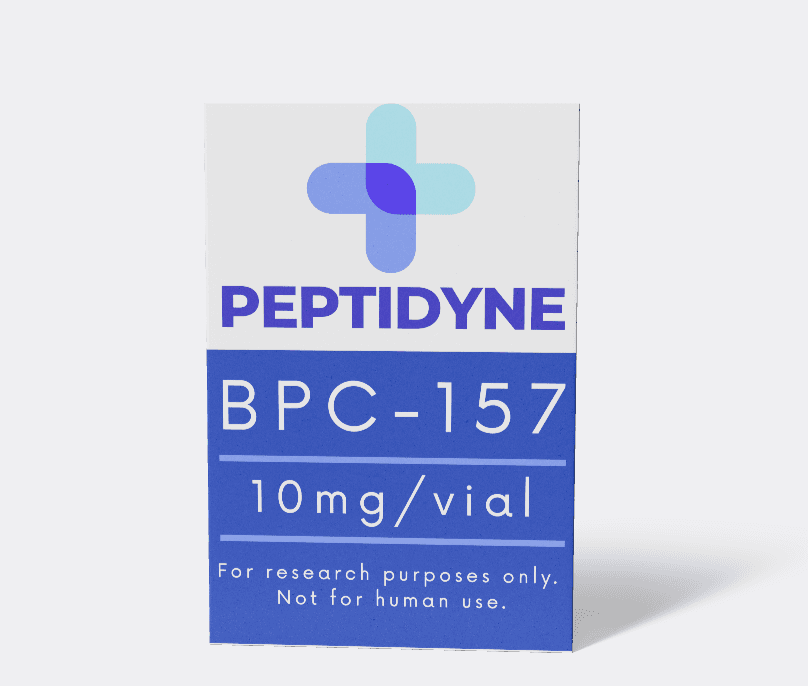
BPC-157, a pentadecapeptide derived from human gastric juice, has garnered significant attention in the research community for its remarkable stability and diverse biological activities.
Molecular Profile
BPC-157 (Body Protection Compound-157) consists of 15 amino acids with the sequence Gly-Glu-Pro-Pro-Pro-Gly-Lys-Pro-Ala-Asp-Asp-Ala-Gly-Leu-Val. Unlike many peptides, it demonstrates exceptional stability in human gastric juice and requires no carrier for biological activity.
Research Areas
Tissue Repair Mechanisms Studies have investigated BPC-157's role in various tissue repair models, including: - Tendon and ligament healing pathways - Muscle regeneration processes - Gastrointestinal mucosal protection
Angiogenesis Studies Research suggests BPC-157 may influence blood vessel formation through VEGF pathway modulation, making it valuable for angiogenesis research.
Neuroprotection Research Emerging studies explore potential neuroprotective properties, particularly in models of dopaminergic system dysfunction.
Research Considerations
When working with BPC-157, researchers should note: - Optimal storage at -20°C - Reconstitution in sterile water at 1mg/mL - Stability considerations for long-term experiments
The growing body of literature continues to expand our understanding of this fascinating peptide's mechanisms of action.
Explore Our Research Peptides
Ready to advance your research? Browse our catalog of high-purity peptides.
View Products